Honey from the edge of Wijk bij Duurstede
The Aristaios colonies stand near the Kromme Rijn and the Noorderwaard. Within flying range are riverbanks, orchards, grassland, gardens, hedges, verges and wet field margins.
A three-kilometre radius
Honey bees select the richest available source of nectar and pollen. The area is a mosaic rather than one large crop, so the composition of the honey changes throughout the year.
Early spring
Willow is particularly valuable for early pollen and sometimes nectar. Alder, hazel, crocus and other garden flowers help the colony restart brood rearing.
Spring blossom
Cherry, plum, pear and apple orchards flower in succession around Wijk bij Duurstede and Cothen. Dandelion, blackthorn, hawthorn and maple broaden the spring forage.
May and June
After the orchards, bees visit verges, hedges and grassland. Clover, cow parsley, dead-nettle and bramble are useful, but mowing, drought and temperature determine what actually flowers.
Summer
Bramble, lime, white clover, thistles, purple loosestrife and water mint can support the summer flow. Wet margins sometimes keep flowering when drier areas have stopped.
Late summer and autumn
Garden flowers, sedum, asters and late herbs support the colony. Ivy is an important final source of pollen and nectar, mainly for the bees’ own winter preparation.
Why this place is special
The strength of this site lies in variety. One year clover and verge flowers dominate; another year bramble or lime contributes more. Local honey is therefore a record of a particular landscape and season.
Forage calendar around the apiary
Een kalender is geen spoorboekje: warmte, regen, wind en maaien bepalen wanneer een plant werkelijk iets te bieden heeft.
-
Februari - maartVroege voorjaarsdracht
willow, alder, hazel, crocus en snowdrop
Eerste stuifmeel en opbouw van het broednest
-
April
Sterke spring build-up
-
MeiVol voorjaar
apple, pear, hawthorn, dandelion, fluitenkruid en dovenetel
Kans op voorjaarshoning
-
JuniStart summerdracht
clover, bramble, lime en bermbloemen
Overgang naar de summerdracht
-
Juli Now
Potential summer honey crop
-
AugustusNasummer
watermunt, kattenstaart, thistles en tuinplanten
Ondersteuning na de hoofddracht
-
September - oktoberLaatste grote bron
ivy, herfstaster, sedum en late tuinbloemen
Belangrijk voor sterke winterbijen
-
November - januariWinter rest
nauwelijks natuurlijke dracht
Het volk leeft vooral van de aangelegde voorraad
Honey from close to home
A jar of Aristaios honey reflects the blossom toward Cothen, the willows by the water and the flowers of gardens, verges and river margins around Wijk bij Duurstede.
Forage plants in pictures
See the landscape through the bees
Herkenbare planten uit het artikel. De beelden staan lokaal op deze website; bron en gebruikslicentie vind je bij iedere foto.

Schietwillow
De vroege katjes leveren onmisbaar stuifmeel wanneer er nog maar weinig anders bloeit.
Foto: AnRo0002 · CC0 1.0 · Wikimedia Commons
Els
Els geeft vooral vroeg stuifmeel: geen echte honingdracht, wel belangrijk voor de voorjaarsopbouw van het volk.
Foto: Bruce Marlin · CC BY-SA 3.0 · Wikimedia Commons
Hazelaar
Hazelaar is vooral een stuifmeelbron: nuttig voor broedzorg zodra de eerste bijen weer vliegen.
Foto: Robert Flogaus-Faust · CC BY 4.0 · Wikimedia Commons
Krokus
Krokussen zijn kleine maar vroege bronnen van nectar en stuifmeel in tuinen, parken en bermranden.
Foto: Nikita Karasik · CC BY-SA 4.0 · Wikimedia Commons
Sneeuwklokje
Op zachte dagen kunnen snowdrops net dat beetje vroege nectar en stuifmeel leveren.
Foto: André Karwath aka Aka · CC BY-SA 2.5 · Wikimedia Commons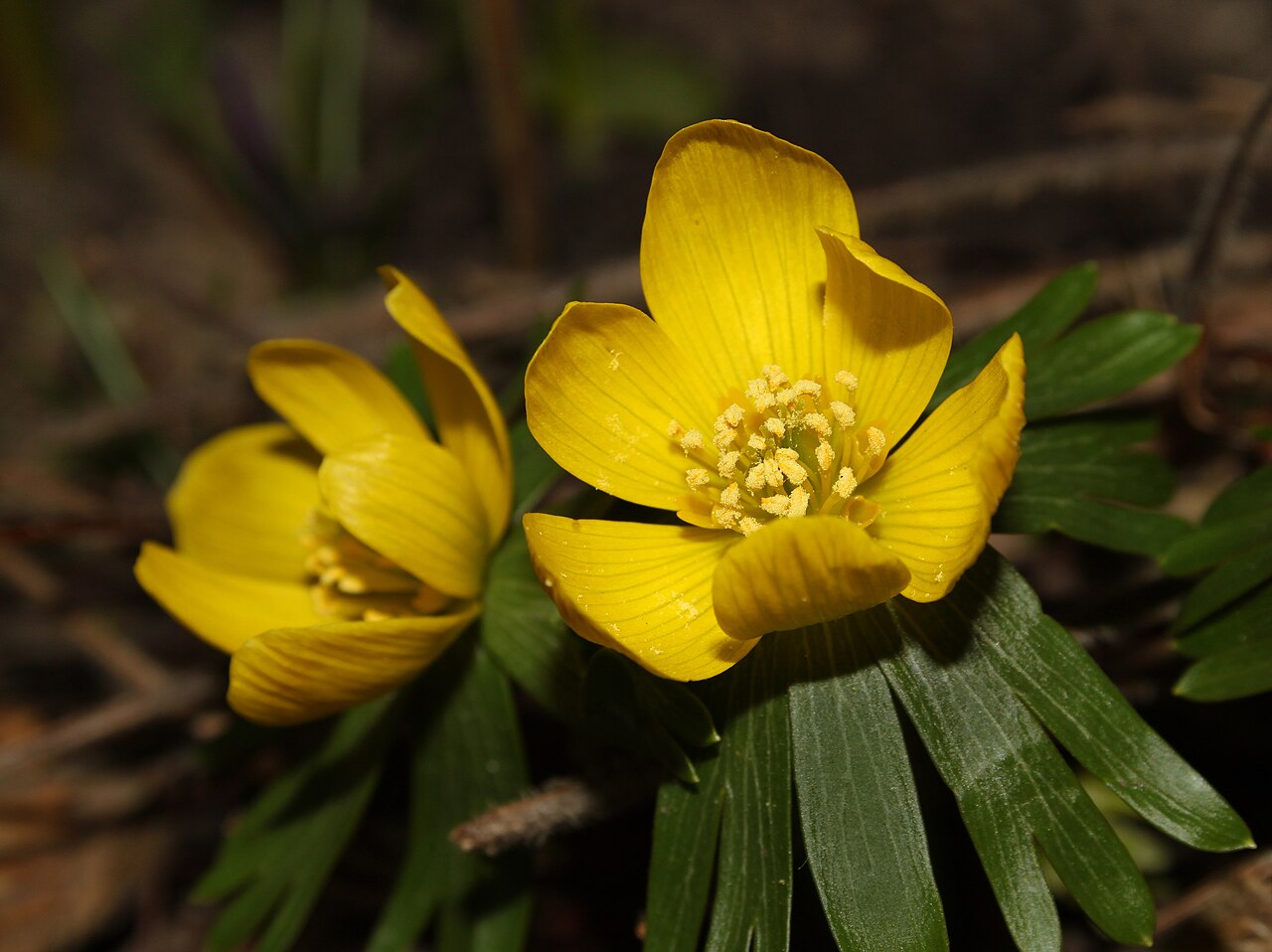
Winterakoniet
Winterakoniet bloeit heel vroeg en trekt bij zacht winterweer al de eerste vliegende bijen.
Foto: Holger Krisp · CC BY 3.0 · Wikimedia Commons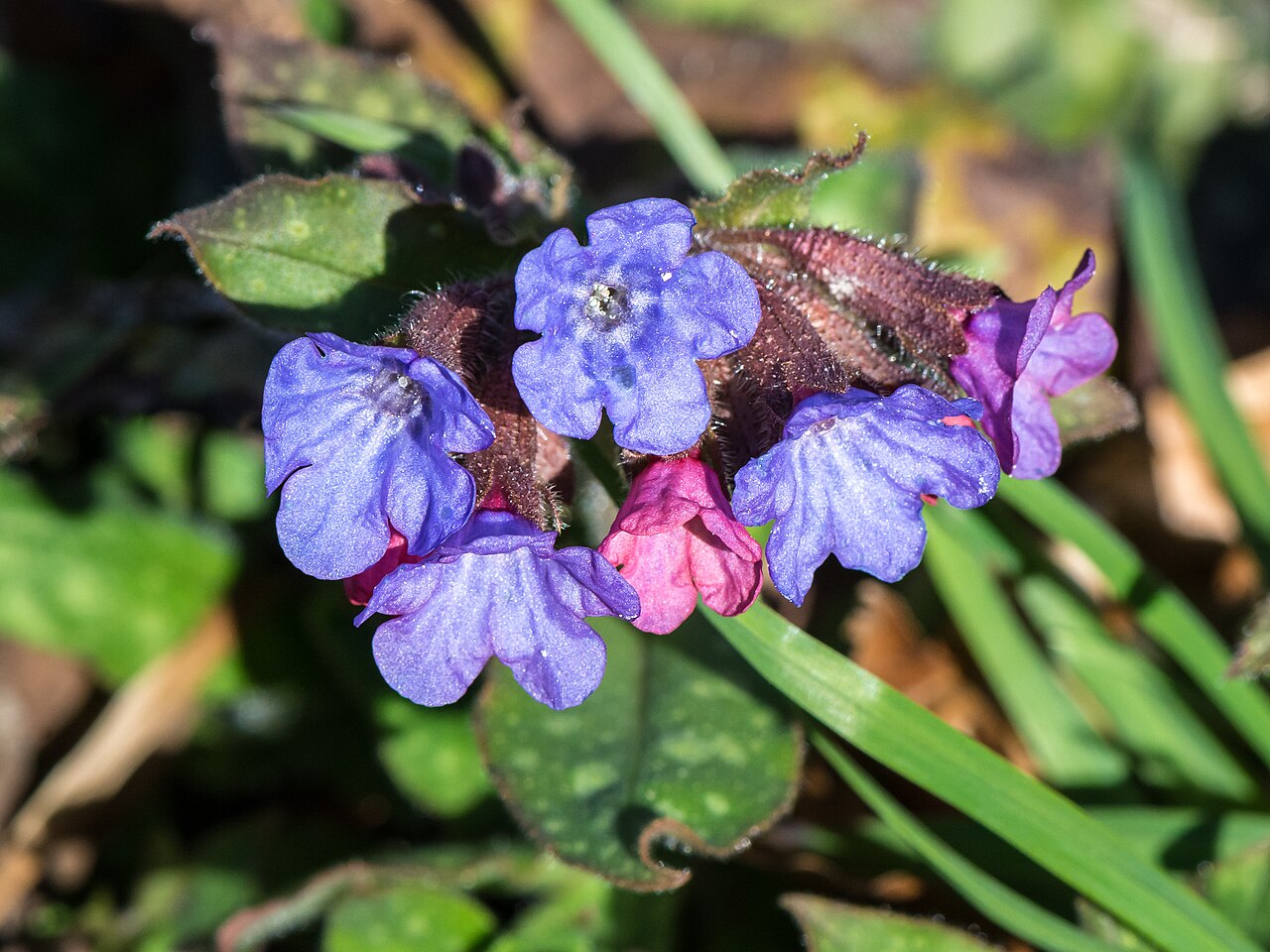
Longkruid
Longkruid overbrugt het vroege voorjaar met nectar in buisvormige bloemen.
Foto: Uoaei1 · CC BY-SA 4.0 · Wikimedia Commons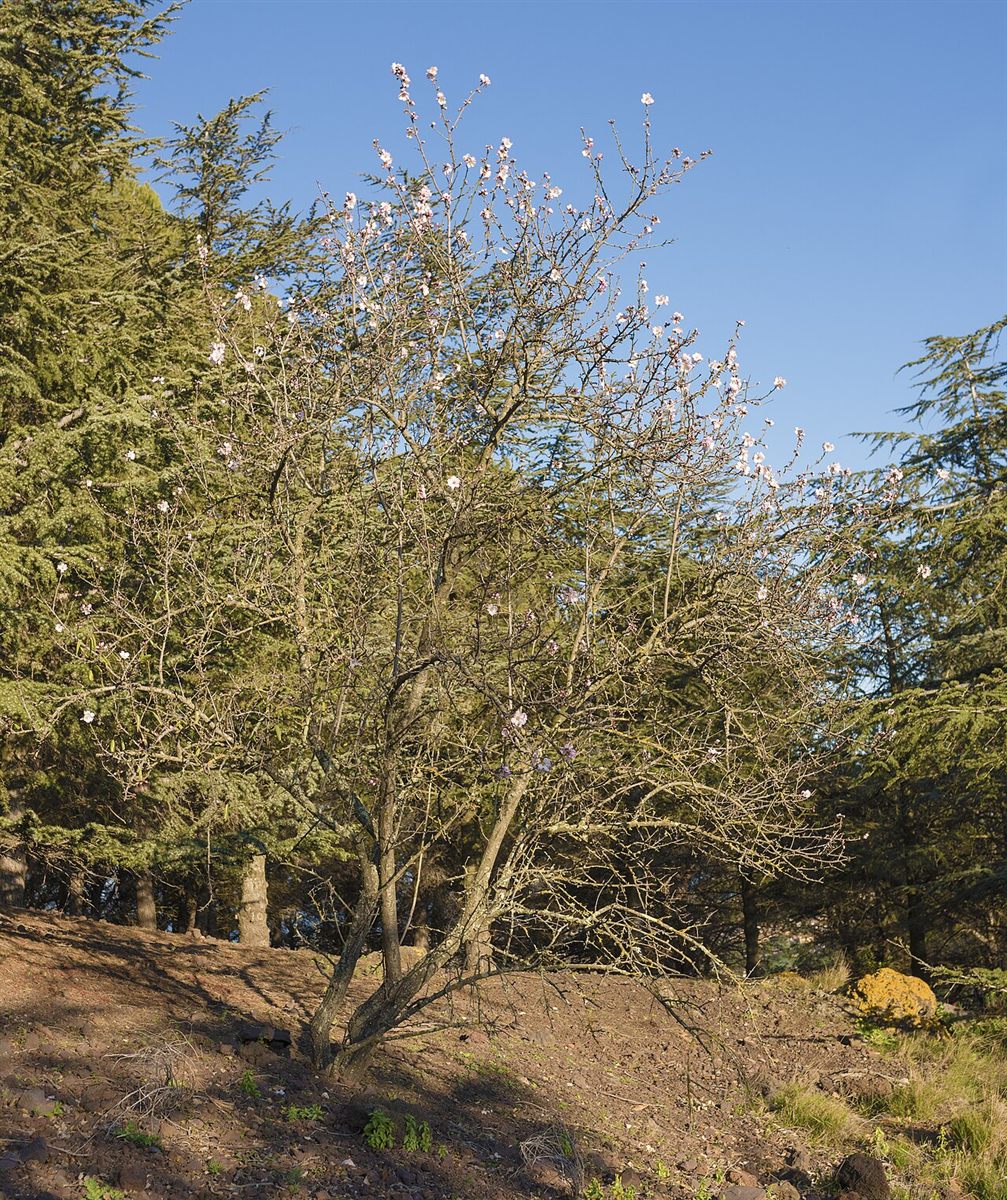
Pruim
Pruimenbloesem kan kort maar krachtig bijdragen aan de vroege fruitdracht.
Foto: Christian Ferrer · CC BY-SA 4.0 · Wikimedia Commons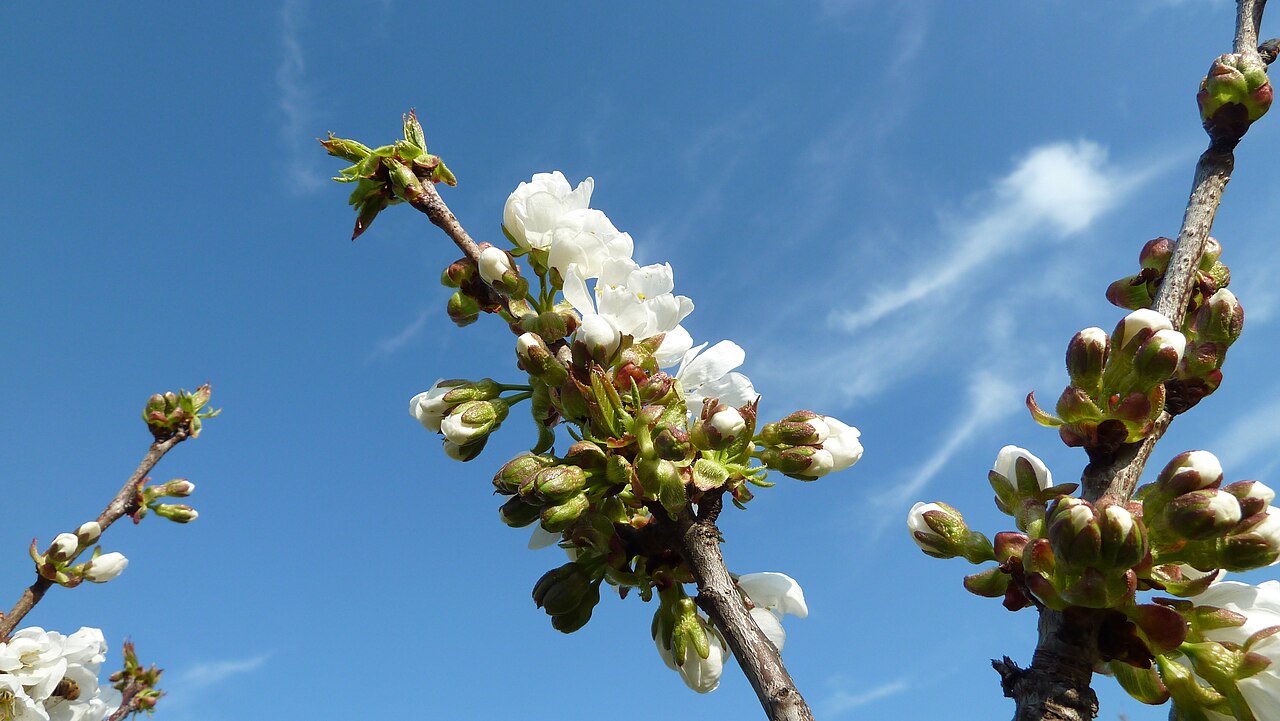
Kers
Kersenboomgaarden in de omgeving kunnen in april een duidelijke voorjaarsimpuls geven.
Foto: Thomas Schilling · CC BY-SA 4.0 · Wikimedia Commons
Peer
Perenbloesem hoort bij de korte maar belangrijke bloesemperiode van het voorjaar.
Foto: George Chernilevsky · Public domain · Wikimedia Commons
Appel
Appelbloesem geeft in korte tijd nectar én stuifmeel en helpt het volk snel groeien.
Foto: Fiver, der Hellseher · CC BY-SA 3.0 · Wikimedia Commons
Paardenbloem
Paardenbloemen geven in het voorjaar op veel plekken tegelijk nectar en stuifmeel.
Foto: Sebastian Stabinger · CC BY-SA 3.0 · Wikimedia Commons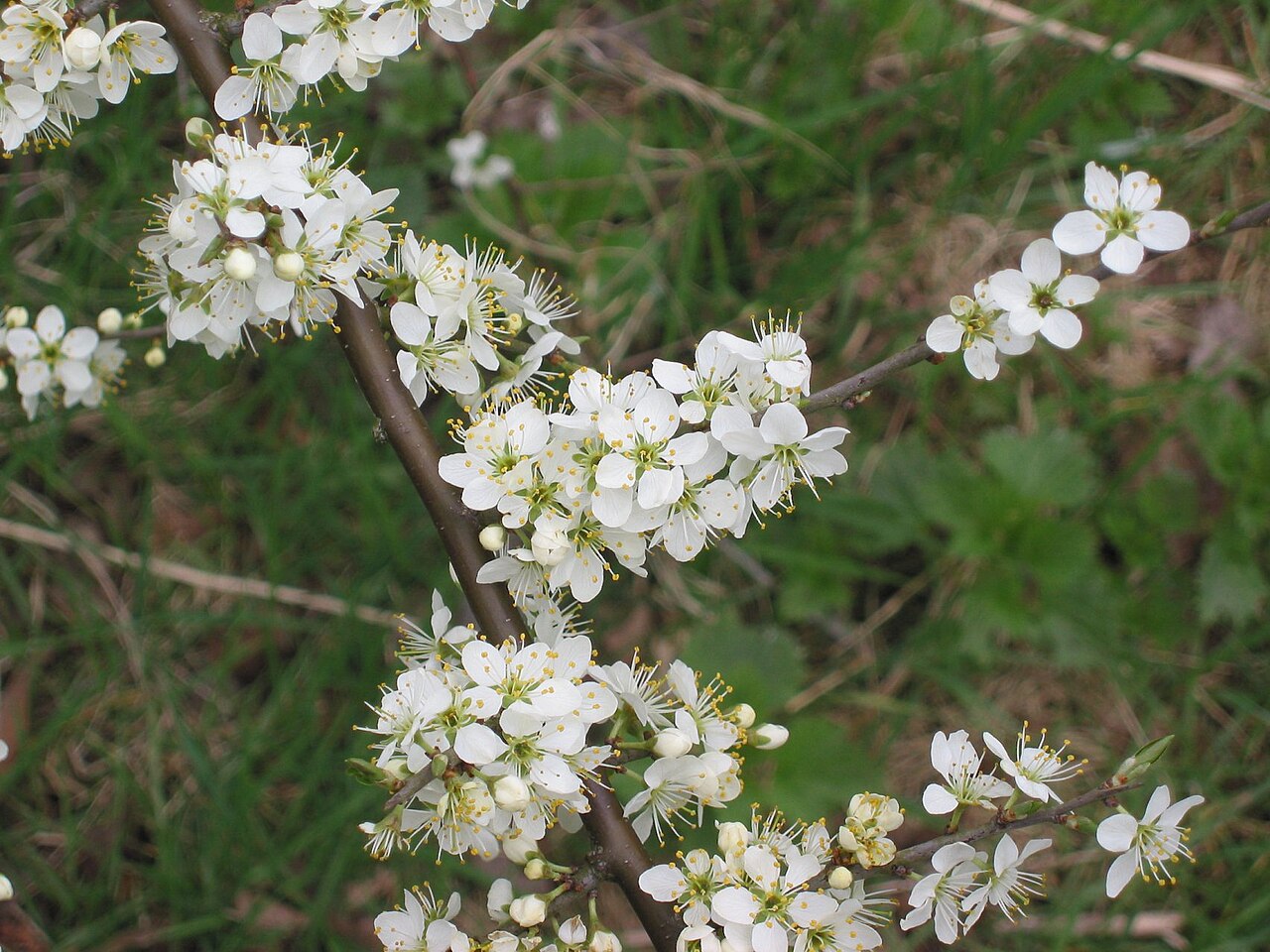
Sleedoorn
Sleedoorn bloeit vroeg in hagen en struwelen en kan net voor de fruit blossom veel insecten trekken.
Foto: Rasbak · CC BY-SA 3.0 · Wikimedia Commons
Meidoorn
Meidoorn verlengt de bloesemperiode in hagen, erven en randen van het landschap.
Foto: Didier Descouens · CC BY-SA 4.0 · Wikimedia Commons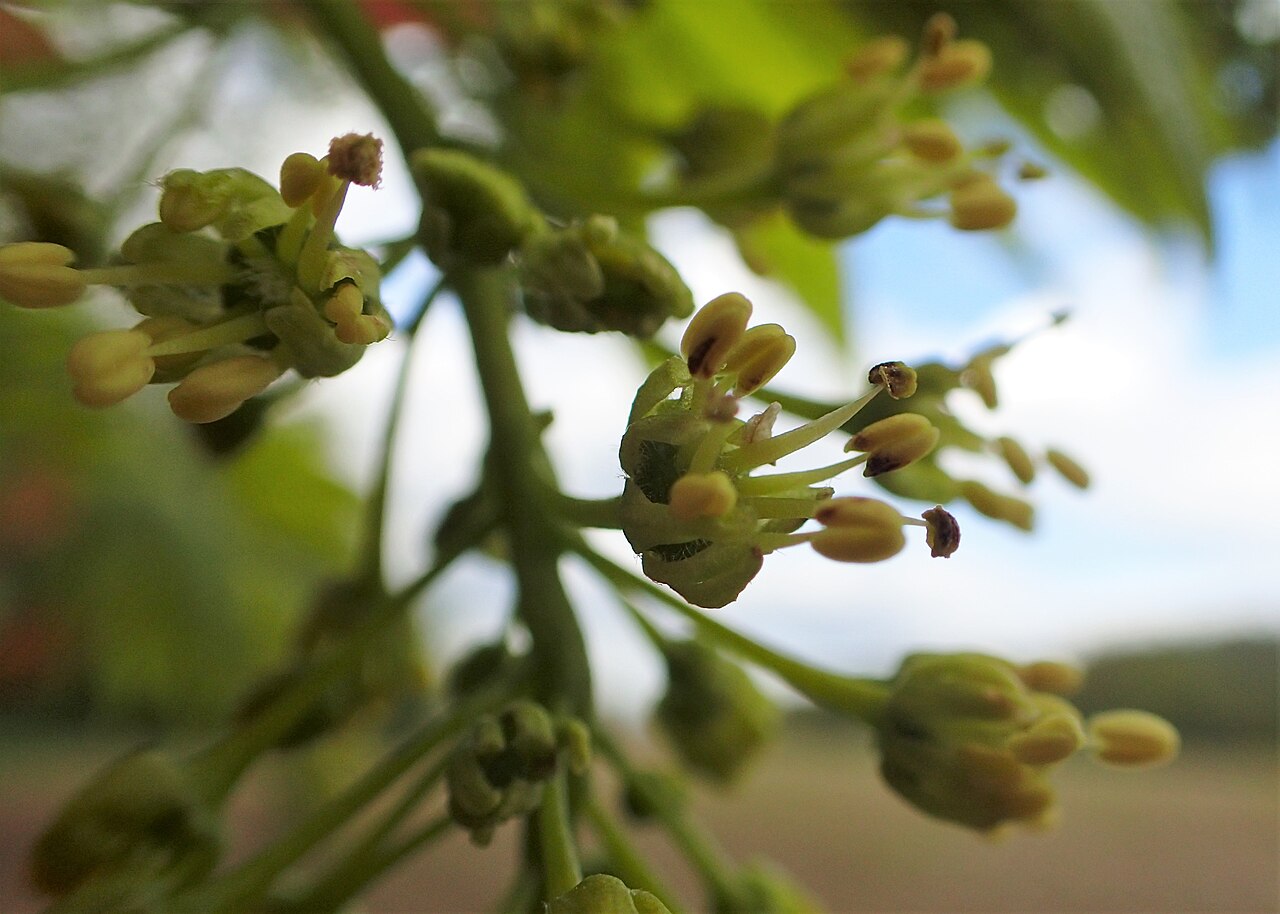
Esdoorn
Esdoornbloei kan in het voorjaar veel kleine bloemen tegelijk aanbieden: nectar én stuifmeel.
Foto: Krzysztof Ziarnek, Kenraiz · CC BY-SA 4.0 · Wikimedia Commons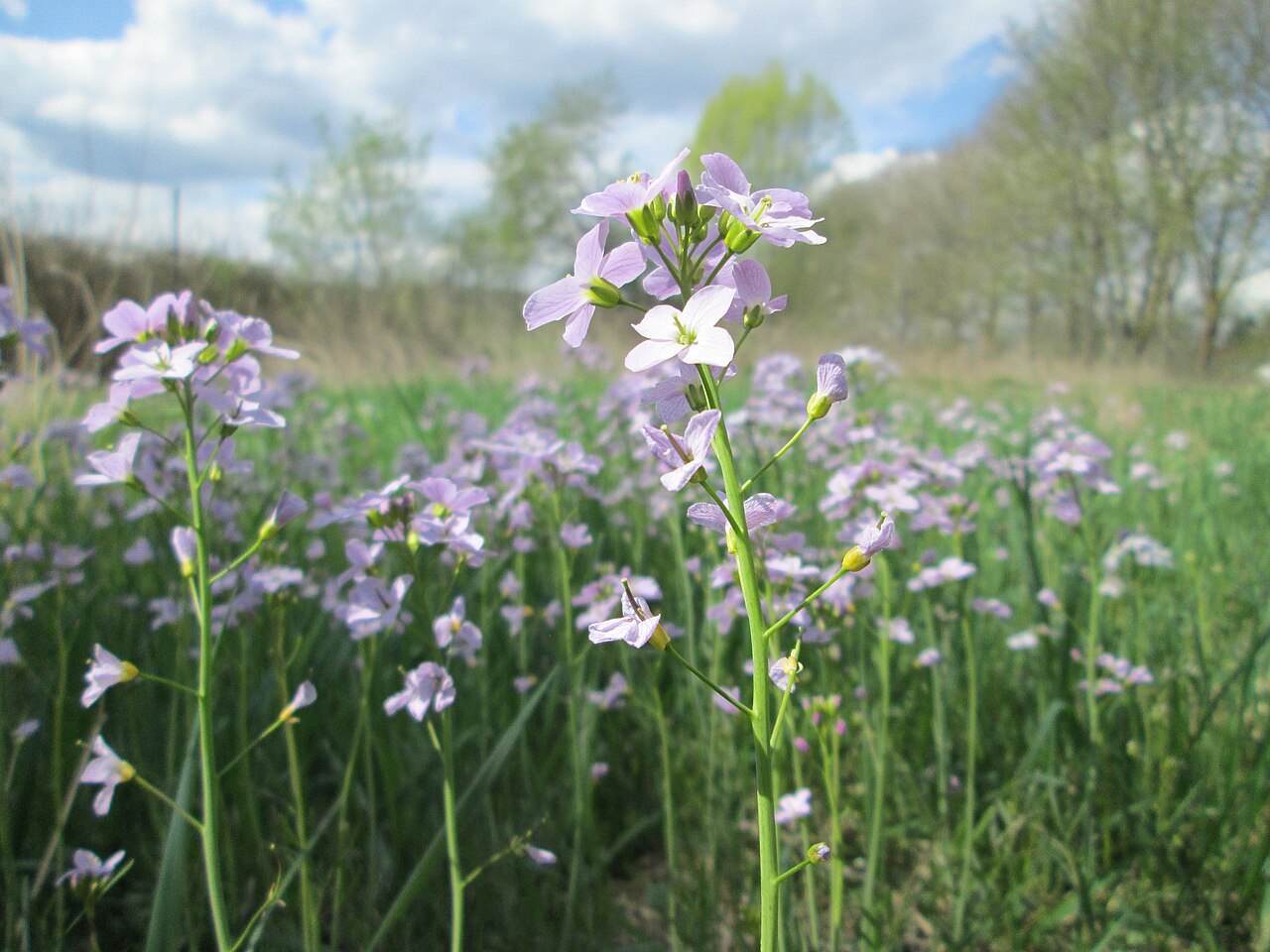
Pinksterbloem
Pinksterbloem hoort bij vochtige graslanden en bermen en bloeit in de overgang naar vol voorjaar.
Foto: AnRo0002 · CC0 1.0 · Wikimedia Commons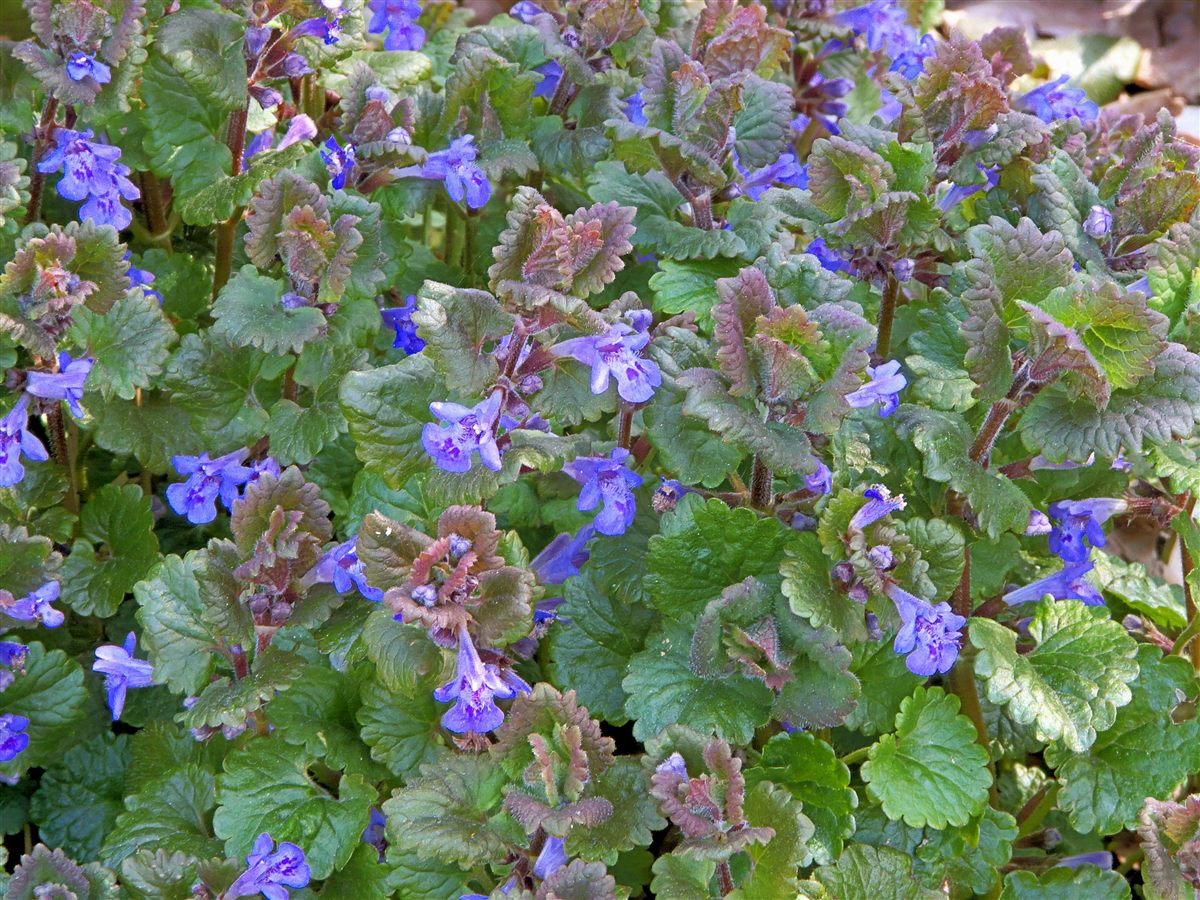
Hondsdraf
Hondsdraf bloeit laag bij de grond en is in tuinen, bermen en randen een bescheiden maar nuttige bron.
Foto: Rasbak · CC BY-SA 3.0 · Wikimedia Commons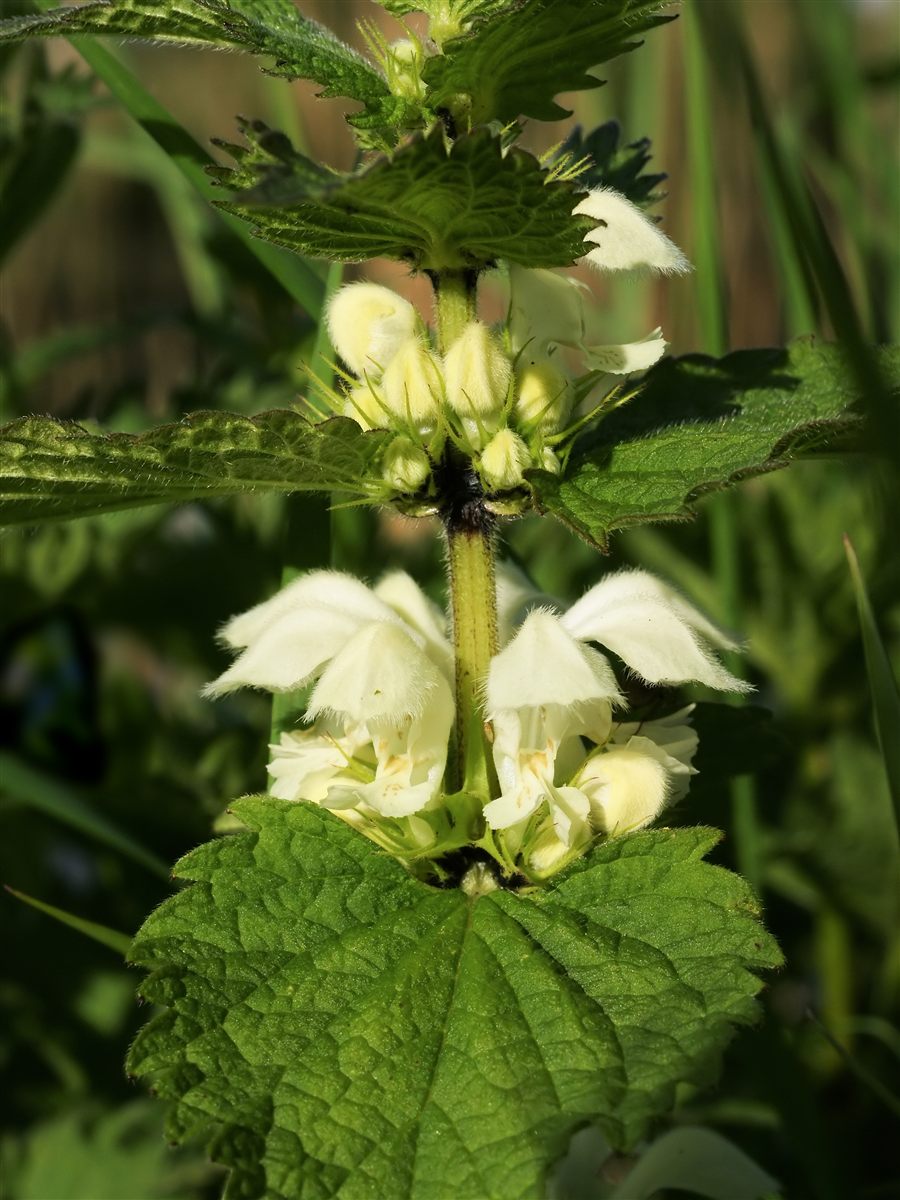
Witte dovenetel
Witte dovenetel bloeit lang en levert nectar in lipbloemen, vooral aantrekkelijk op beschutte plekken.
Foto: Hans Hillewaert · CC BY-SA 3.0 · Wikimedia Commons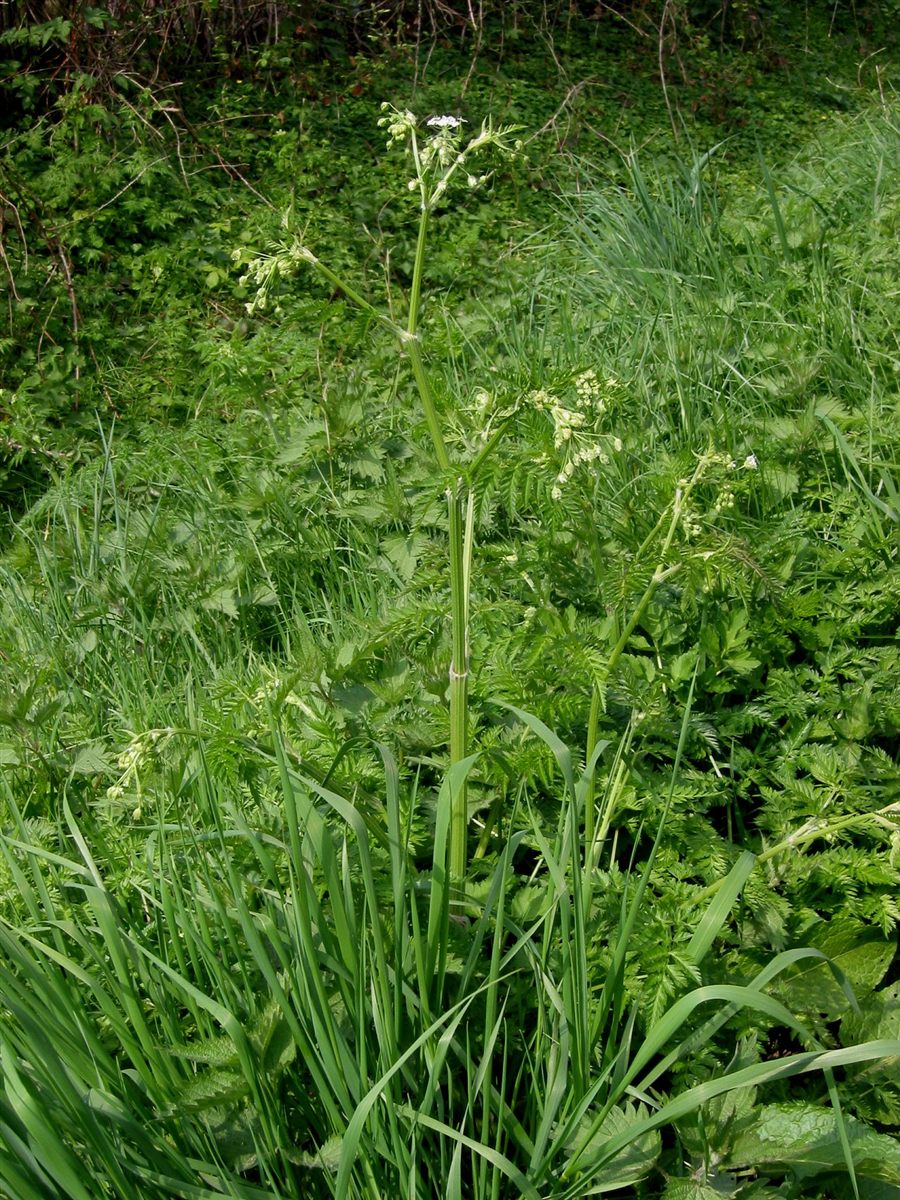
Fluitenkruid
Fluitenkruid tekent de bermen in het voorjaar en biedt open schermbloemen aan veel insecten.
Foto: Rasbak · CC BY-SA 3.0 · Wikimedia Commons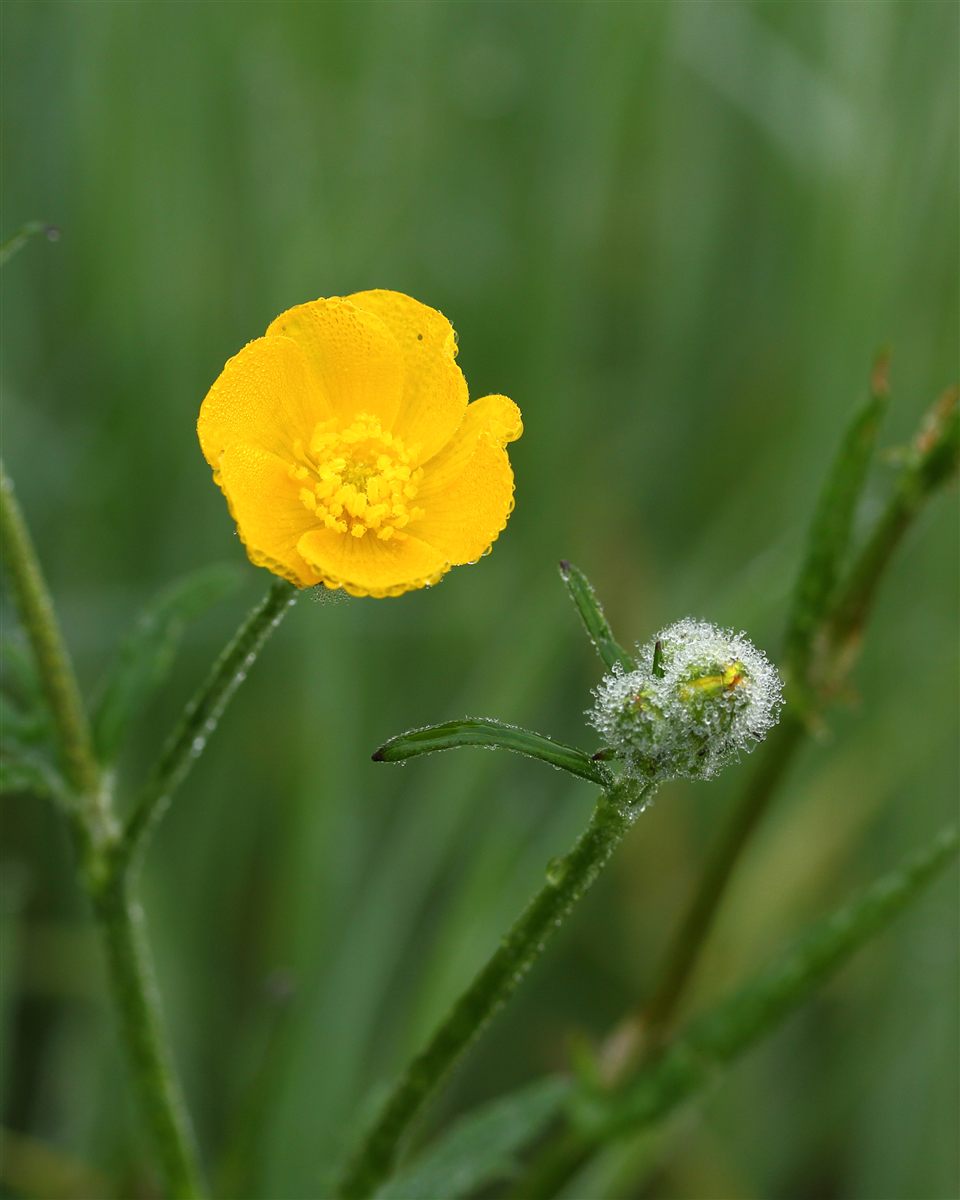
Boterbloem
Boterbloemen zijn algemene voorjaarsbloeiers; ze zijn niet de grootste dracht, maar horen wel bij het mozaïek.
Foto: Dominicus Johannes Bergsma · CC BY-SA 3.0 · Wikimedia Commons
Witte clover
Witte clover kan lang nectar leveren, zolang maaien en droogte de bloei niet onderbreken.
Foto: Algirdas · CC BY-SA 3.0 · Wikimedia Commons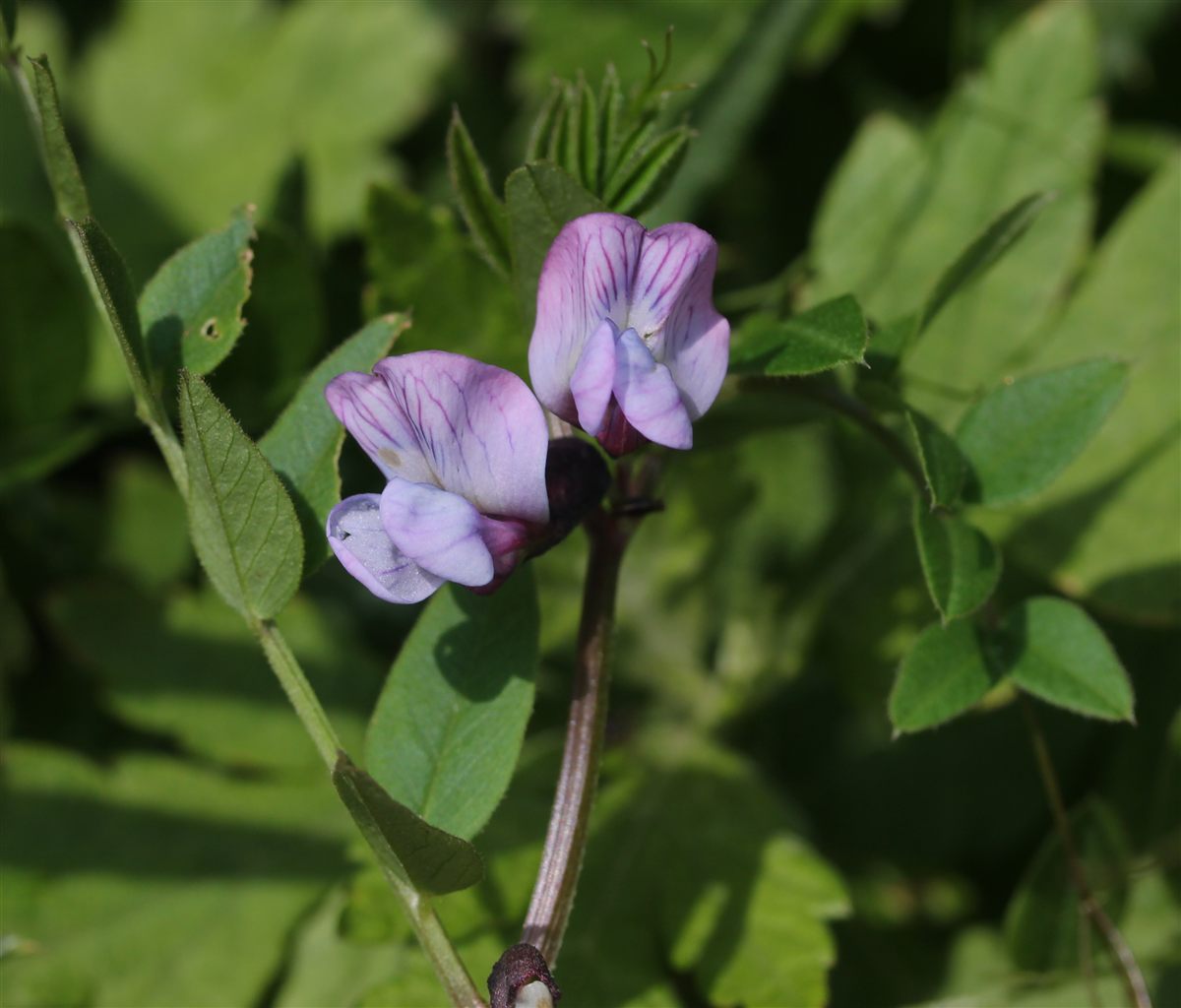
Wikke
Wikke groeit vaak in randen en ruigtes; de bloemen zijn vooral aantrekkelijk voor hommalder en andere bijen.
Foto: Alpsdake · CC BY-SA 3.0 · Wikimedia Commons
Braam
Braam bloeit rijk langs hagen en ruigtes en levert de bijen nectar én stuifmeel.
Foto: MargaretAndArmand · CC0 1.0 · Wikimedia Commons
Linde
Op warme dagen kan limebloei een krachtige summerdracht en een herkenbaar aroma geven.
Foto: AnRo0002 · CC0 1.0 · Wikimedia Commons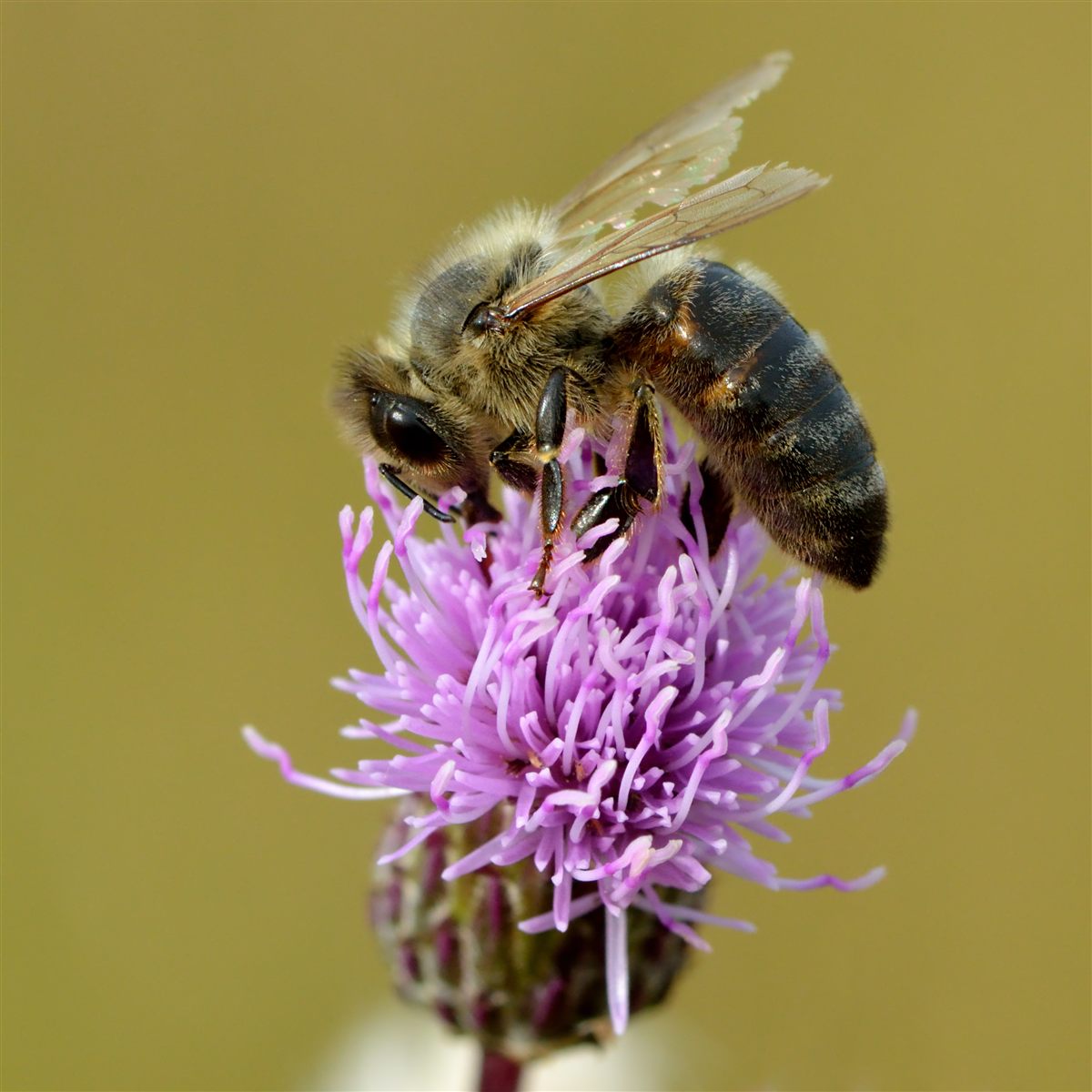
Distel
Distalder kunnen in ruige randen en bermen veel nectar leveren in de summer en nasummer.
Foto: Ivar Leidus · CC BY-SA 4.0 · Wikimedia Commons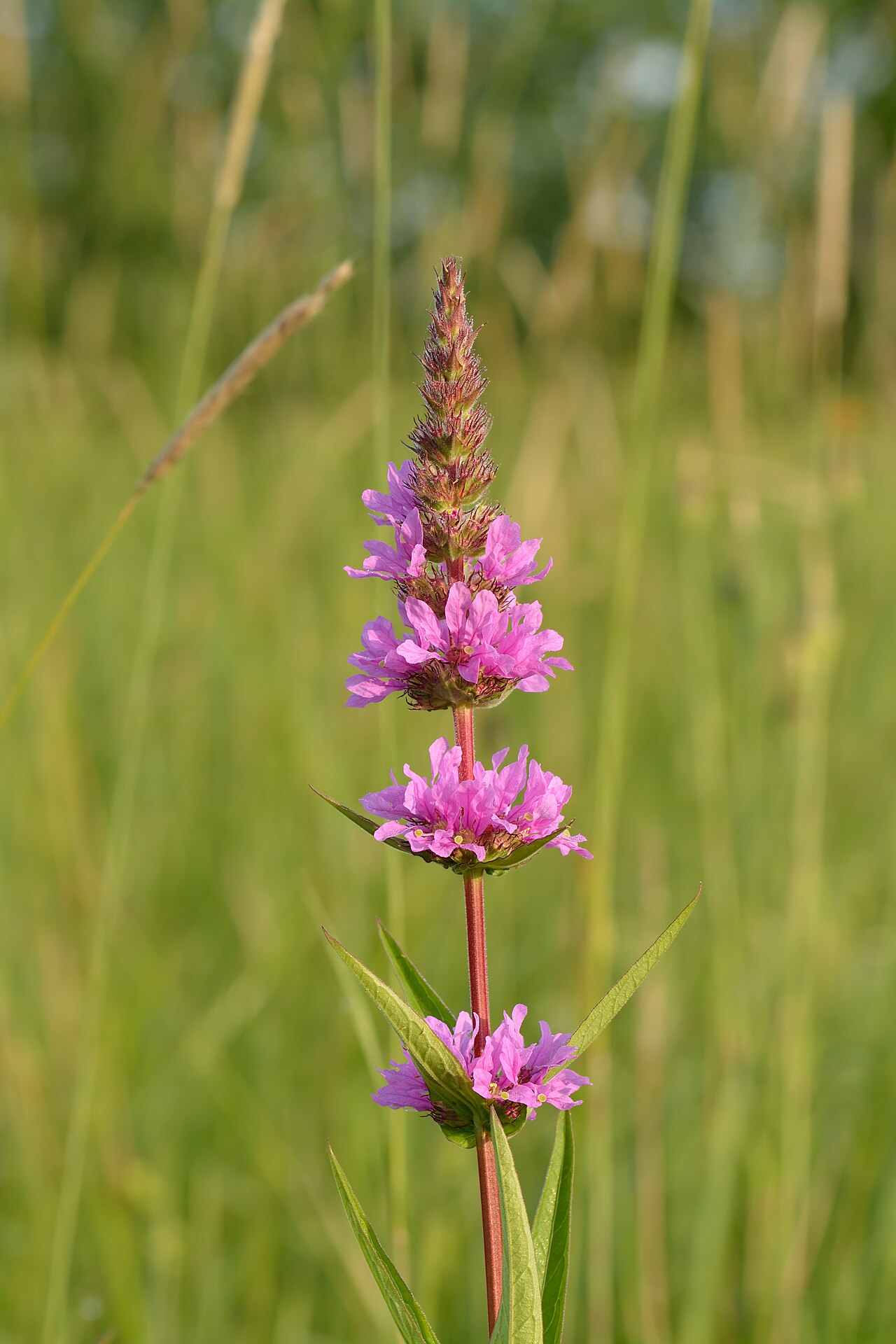
Kattenstaart
Kattenstaart houdt de dracht langs natte oevers en slootkanten in de nasummer op gang.
Foto: Ivar Leidus · CC BY-SA 3.0 · Wikimedia Commons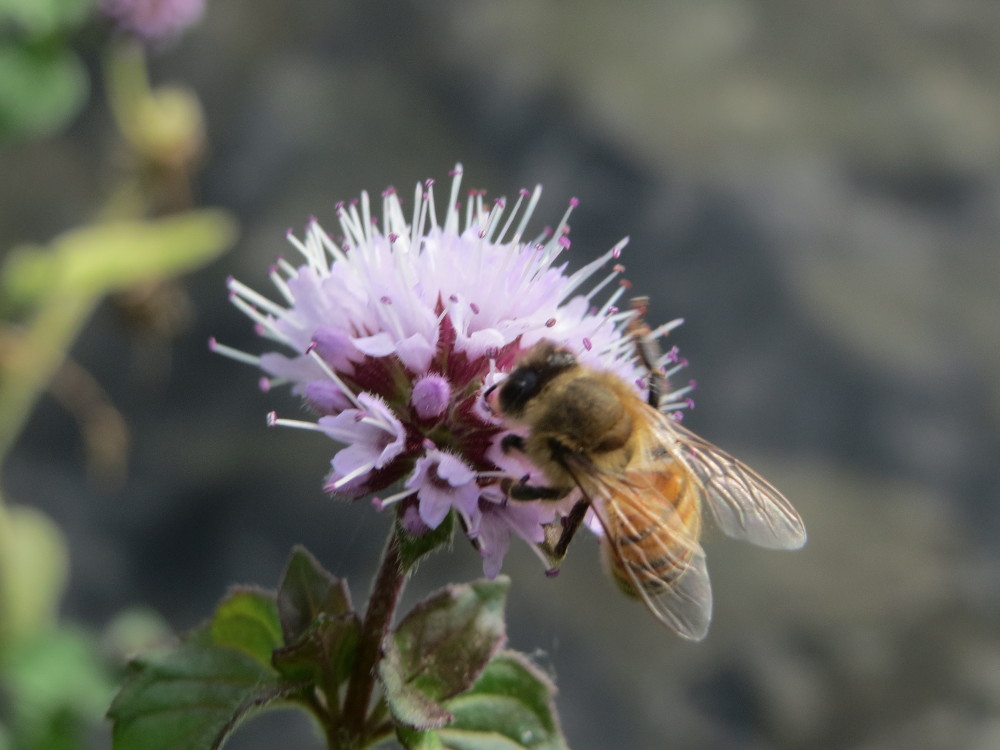
Watermunt
Watermunt houdt langs natte randen de nasummerdracht levend wanneer veel bermplanten al teruglopen.
Foto: AnRo0002 · CC0 1.0 · Wikimedia Commons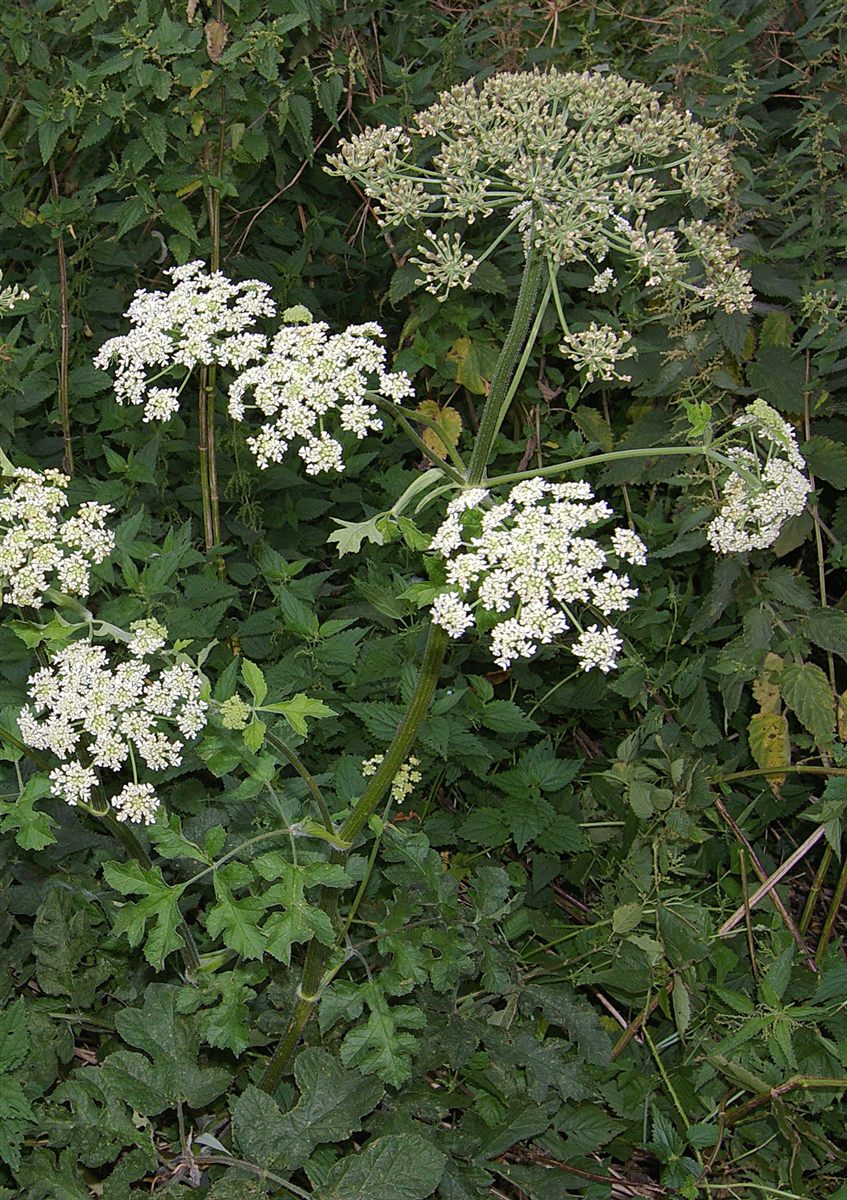
Berenklauw
Berenklauw biedt open schermbloemen waar veel insecten eenvoudig bij nectar en stuifmeel kunnen.
Foto: Christian Fischer · CC BY-SA 3.0 · Wikimedia Commons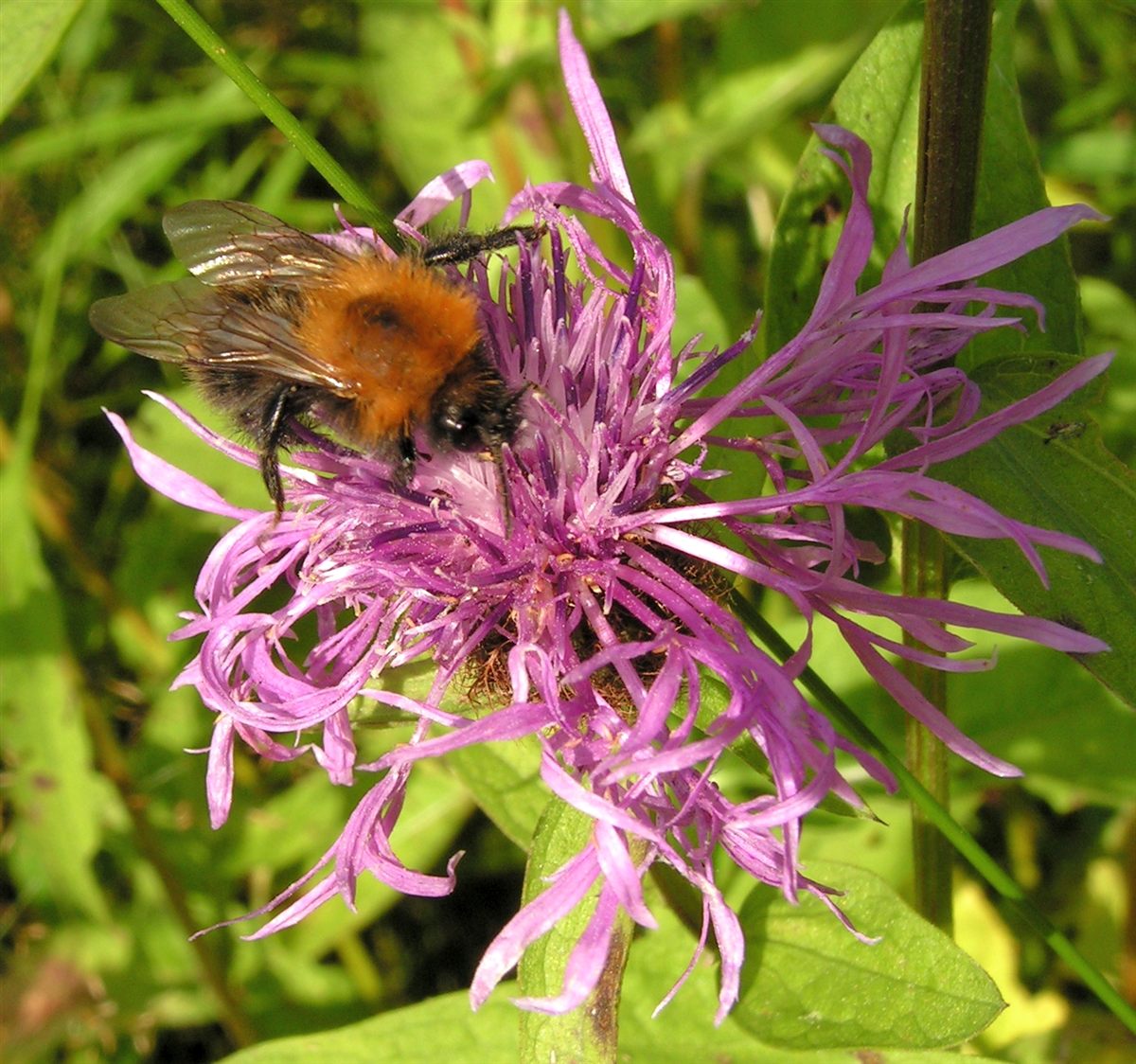
Knoopkruid
Knoopkruid is een sterke nectarplant voor bermen en bloemrijke randen in de summer.
Foto: Bff · CC BY-SA 3.0 · Wikimedia Commons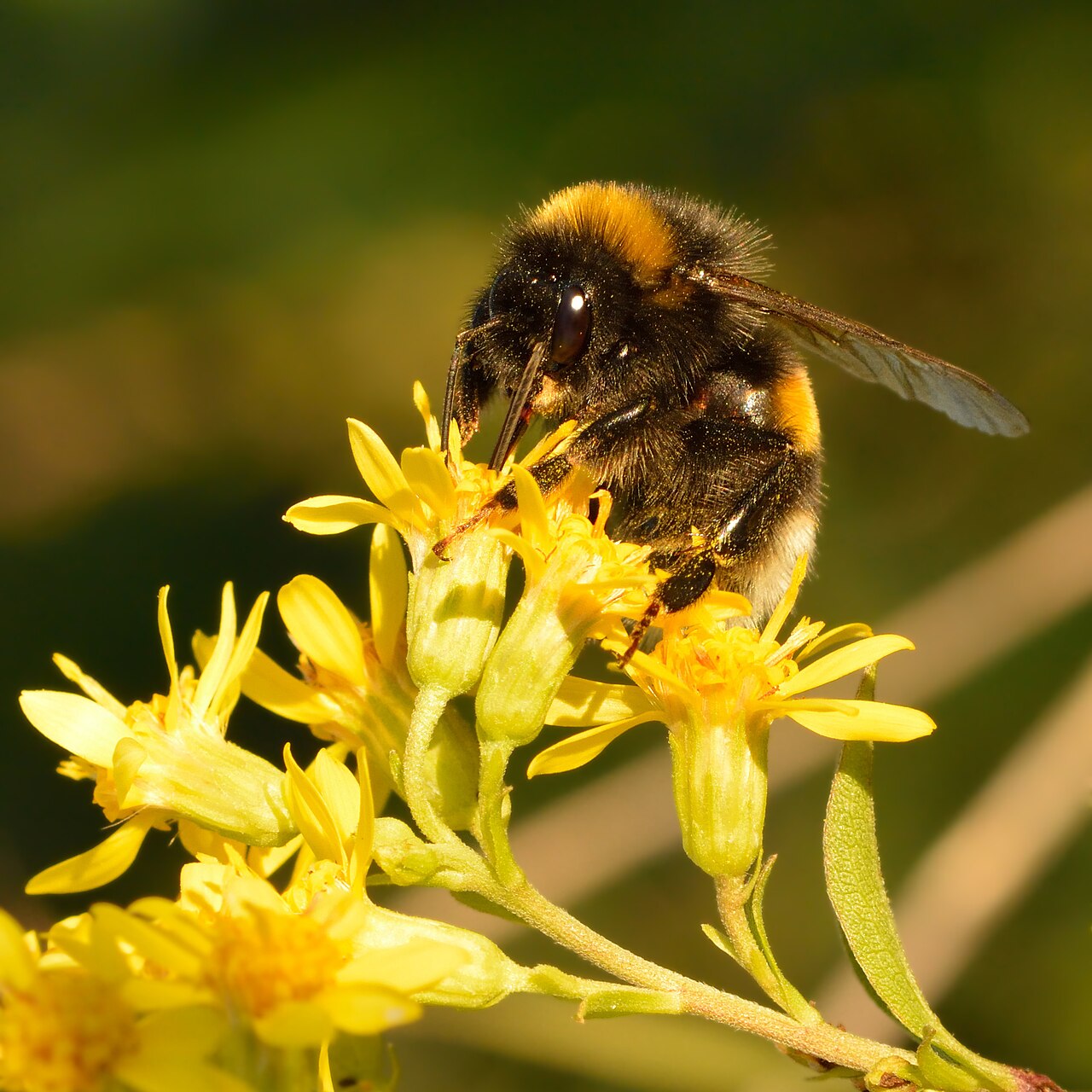
Guldenroede
Guldenroede kan laat in de summer nog nectar en stuifmeel leveren, vooral in ruige zonnige randen.
Foto: Ivar Leidus · CC BY-SA 4.0 · Wikimedia Commons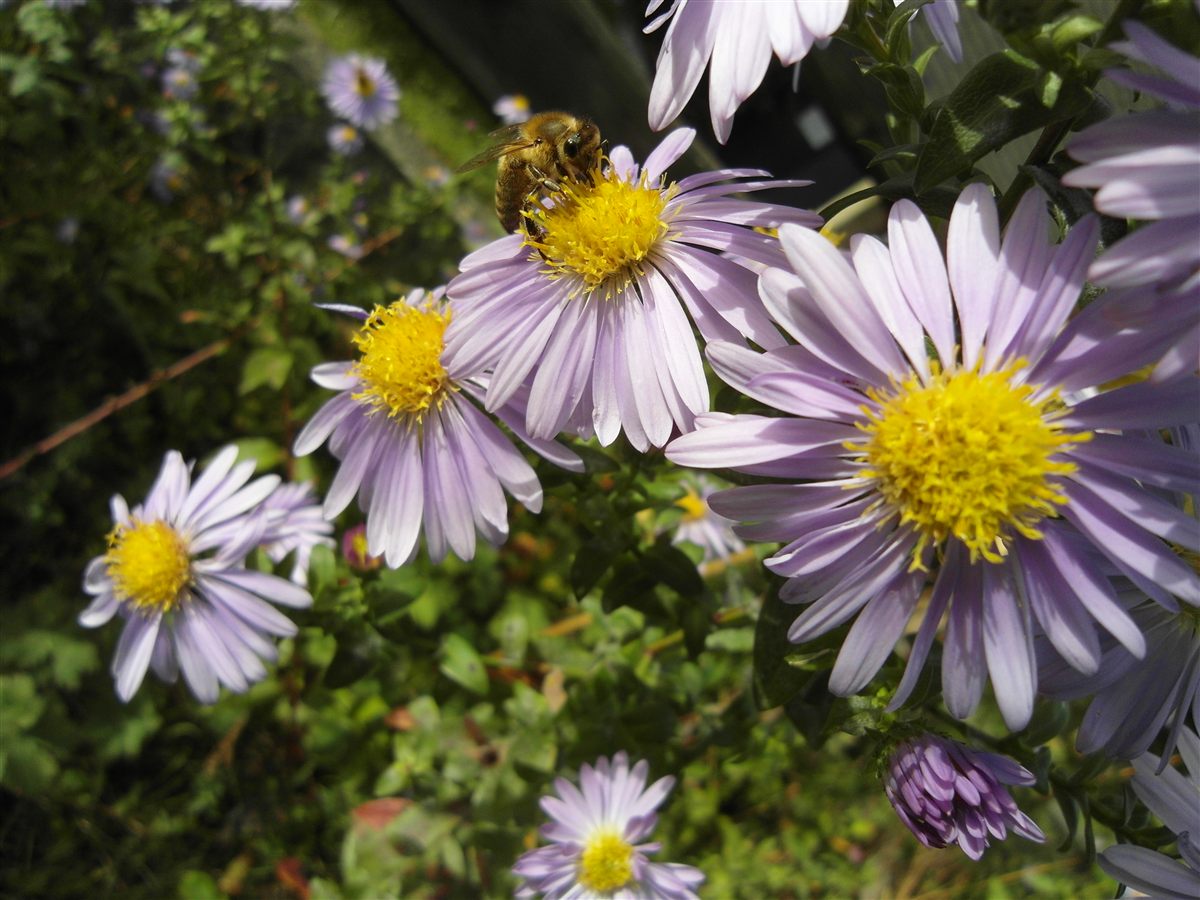
Herfstaster
Herfstasters zijn vooral in tuinen waardevol als late bloei voor bijen en andere insecten.
Foto: Uwe W. · CC BY-SA 3.0 · Wikimedia Commons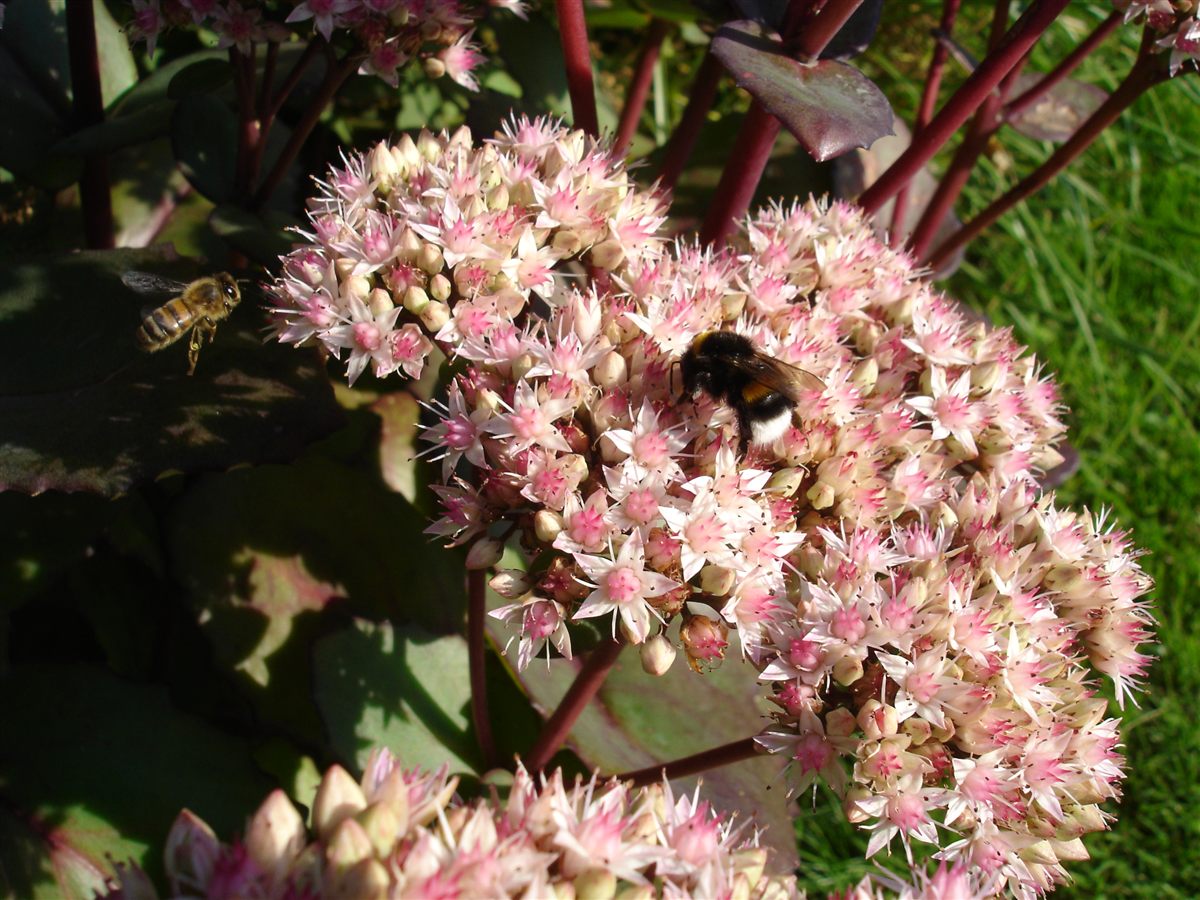
Sedum
Sedum of vetkruid bloeit laat en is in tuinen vaak druk bezocht wanneer de natuurlijke dracht afneemt.
Foto: Mnemo · CC BY-SA 3.0 · Wikimedia Commons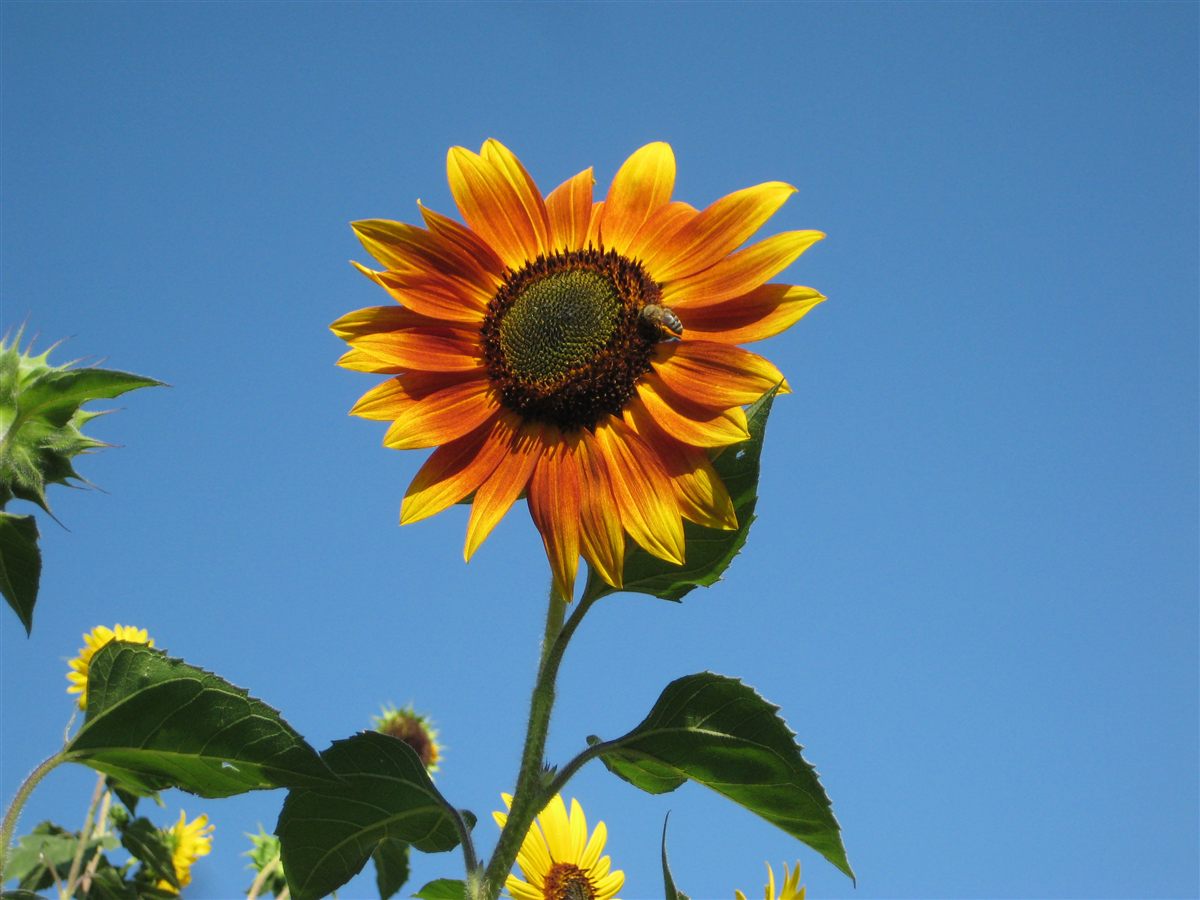
Zonnebloem
Zonnebloemen leveren vooral veel stuifmeel en geven tuinen in de nasummer extra bijenbezoek.
Foto: Jonson22 · CC0 1.0 · Wikimedia Commons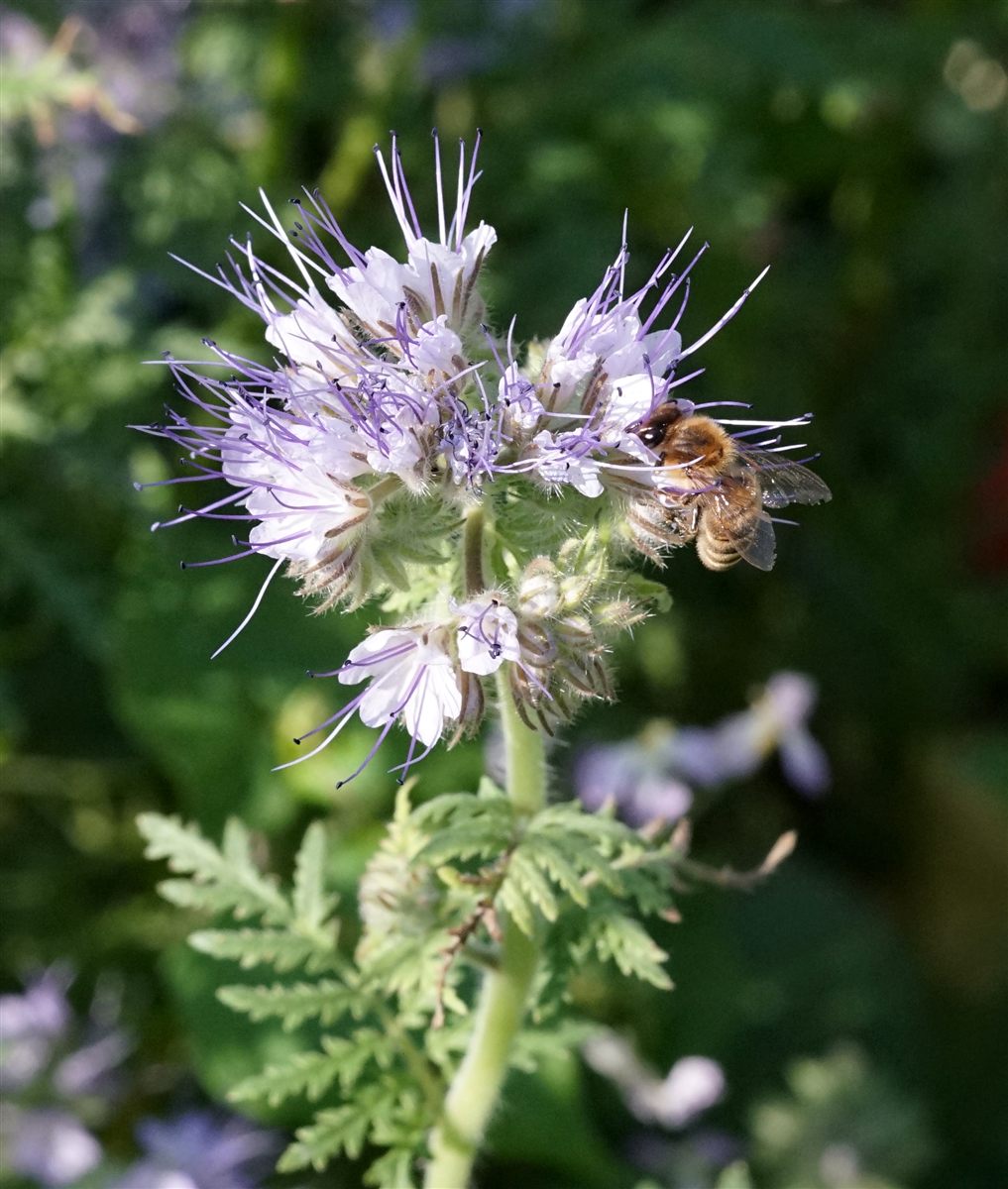
Phacelia
Phacelia is een bekende bijenplant en groenbemester die lang en rijk kan bloeien.
Foto: Jürgen Howaldt · CC BY-SA 4.0 · Wikimedia Commons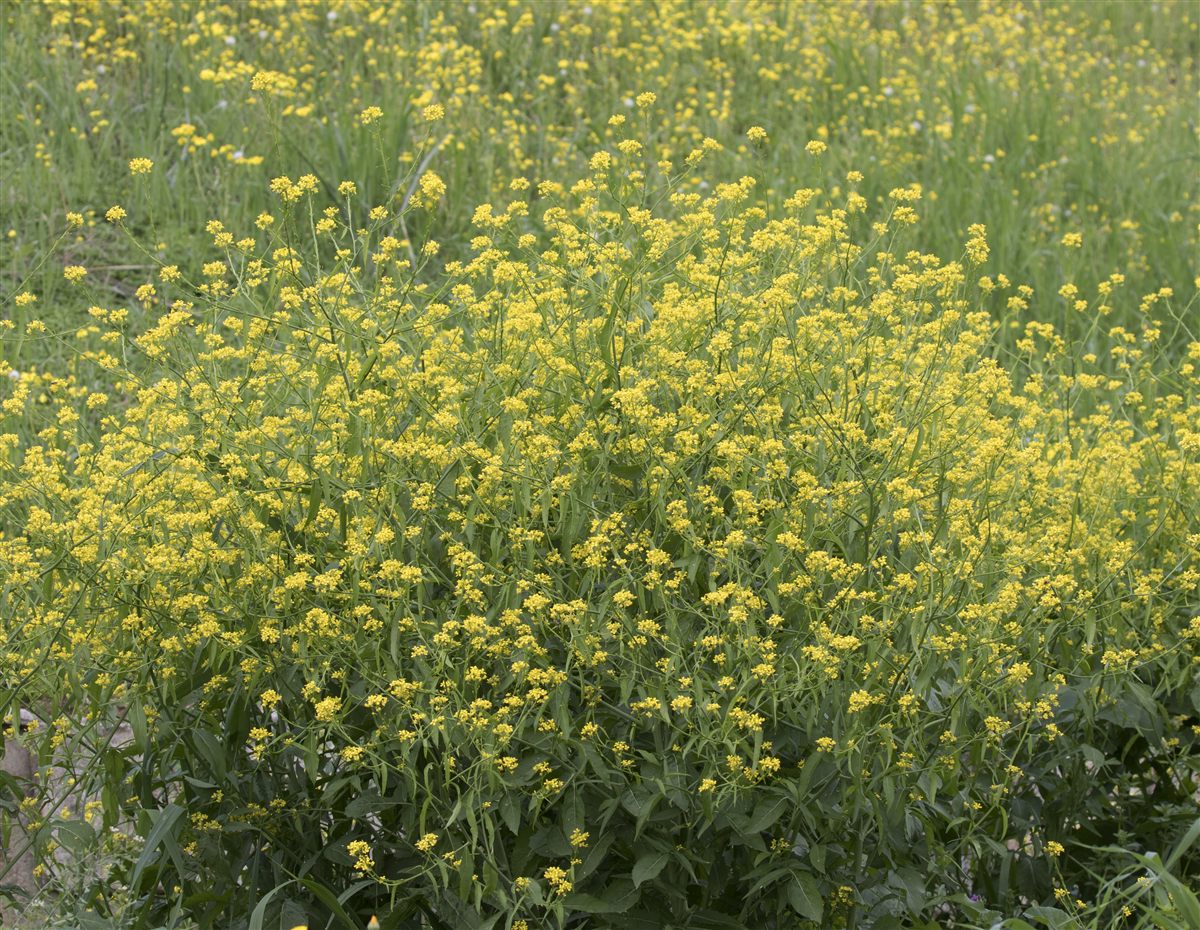
Mosterd
Mosterdachtige gele kruisbloemen kunnen op akkers, randen of als groenbemester tijdelijk veel insecten trekken.
Foto: Zeynel Cebeci · CC BY-SA 4.0 · Wikimedia Commons
Klimop
Bloeiende ivy is een van de laatste grote bronnen van nectar en stuifmeel voor de winterbijen.
Foto: Rasbak · CC BY-SA 3.0 · Wikimedia Commons